
Master Of Pottery Throwing Clay on the Wheel
Smoothness first, then bulge tools, store parts, and the stroke count that feeds SSS rank.
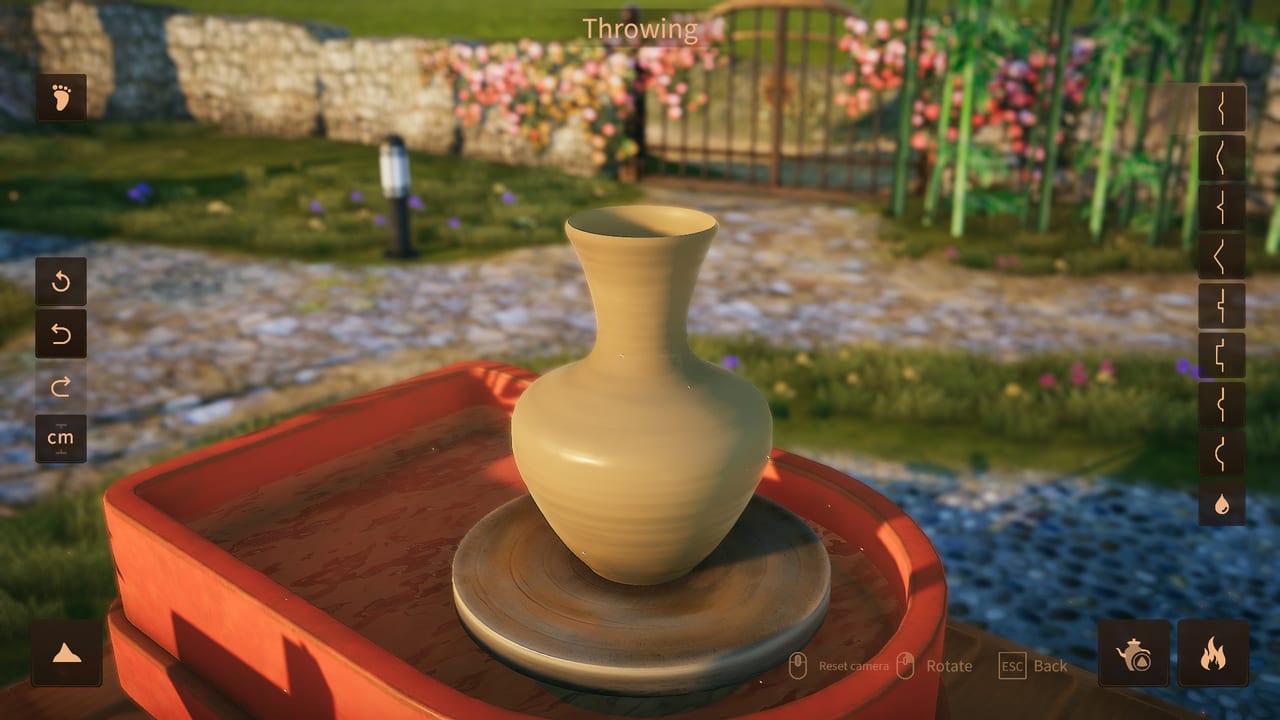
Throwing is the first real decision in Master Of Pottery. The kiln can save a modest shape. It cannot save a lumpy wall that never hit smoothness. Painting can hide a dull silhouette. It cannot hide a spout that clips the rim. This guide is the wheel: how to even the clay, when to press bulge tools, and how store-bought handles, lids, and spouts stack toward the 50-part cap. Read Getting Started if Mason’s tutorial is still on screen. Read the Controls Guide if the mouse wheel still feels like a browser scroll.
AZGames treats throwing as effort, not a beauty contest. Letter rank cares how long you work the clay, measured in strokes, plus later materials and a clean fire. You can reshape a vase three times and still get credit for the fiddle. That is why veterans linger on the wheel even when they already know the profile they want.
Smooth clay and symmetry
Start with the lump centered. Pull a cylinder. Watch the smoothness meter at the bottom. Left-click and ride the wall until the surface is even. Symmetry means the left profile matches the right, not that the pot is boring. A tall neck is fine if both sides agree. A collapsed rim is not.
Work in passes. Raise the wall, check the lip, compress the belly, check smoothness again. If you chase a wild sculpt too early, the meter drops and the form twists. Recover with long vertical strokes. The tutorial line about making the clay evenly symmetrical is this loop. Do it on every pot, including the C-grade dummies you will later feed to apprentices.
Clay type is a store choice, not a throwing tool. Early bodies are enough to learn. Later, expensive and late-unlock clays weight SSS rank hard. White clay plus a good glaze is a classic SSS route. Check the clay ranking before you spend a week’s yen on a color you only wanted for a screenshot.
Bulge-shape buttons
Bulge tools are preset moves: swell a belly, pinch a waist, add a ridge. Buried Treasure described them as the confidence step after basic stroking. Use a bulge to block the silhouette, then refine by hand. Stacking three random bulges without smoothing between them is how you get a lumpy urn that still somehow scores if you spent enough time, but looks bad on a booth.
Think of bulges as construction, not decoration. A tea bowl wants a soft belly and a stable foot. A bottle wants a shoulder. A plate wants a wide pull and almost no height. After the bulge, orbit the camera and fix the far side. Copy tools help once you add repeated volumes. They are still throwing tools, not paint.
Handles, lids, spouts, and the 50-part cap
Parts unlock in the store as you level. Handles, lids, and spouts are the headline unlocks. Decorative knobs, extra bulges-as-parts, and stacked hardware count toward the same cap. The maximum is 50 parts, and every part you add is extra score. That does not mean every mug needs 50 lugs. A teapot with a lid, a spout, and a handle is already a different object from a plain cylinder.
Place parts after the wall is stable. A spout on a wobbly neck will look drunk after you orbit. Nudge height and angle so the pour line makes sense even if the game never simulates tea. Copy-rotate for paired handles. Confirm each piece. If the store is still locked, you are not behind; you are in the early curve. The workshop upgrades list helps you spend yen on the next part family instead of a third pigment.
Effort on the wheel still counts if you later cover the form in paint. Stroke count is not a visible combo meter, but players who fiddle, undo, and rebuild report better ranks than players who accept the first cone and rush the kiln. Add parts with the same mindset: each placement is work the scoring system can see.
From wheel to kiln
When smoothness is high, the silhouette is intentional, and parts are seated, fire. Do not add last-second chaos that you cannot see in profile. The first kiln is drying, preheating, and high temperature. A beautiful throw with a burnt core still lands in the letter basement. The Kiln Firing Guide is the next page. After a clean bisque, painting and glazing is where stroke count continues.
Orders can constrain shape. Tea House teacups and teapots around days 33 and 41 expect certain forms and logos. Accept the order first, then throw to the brief. Exhibition heat likes variety: a hall of identical cylinders stalls visitors even if each one is technically smooth.
Practice pots versus show pots
Keep a split. Show pots get time, parts, and later clay. Practice pots get a short, honest throw and a careful fire so you always have C, B, and A pieces in the warehouse. Apprentices fail S+ copies early. Culture succession wants ten graduates, not ten failed SSS clones.
If you are here for rank, throwing is half the effort term. The other half is paint strokes and materials. If you are here to enjoy the wheel, ignore the 50-part ceiling until the store actually sells you a spout. Either way, the next click is the kiln, not the map shop.
A last note on 1.0: rooms and tokens do not change how clay behaves. You still throw alone. When a patch adds a new part family, it will show up in the store and on the updates hub. Until then, smoothness, symmetry, bulge tools, and honest parts are the whole throwing craft.
Frequently Asked Questions
Quick answers about throwing, firing, and running your showroom.
What does the smoothness bar mean?
It is the evenness of the wall. Ride the clay with left-click vertical strokes until the meter is happy and both profiles match. Rank still also cares about stroke count and later materials.
When do handles, lids, and spouts unlock?
They are store unlocks as you level, not day-one tools. Buy them with yen from tickets and letters, then attach them on the wheel. The cap is 50 parts per work.
Do extra parts really raise rank?
Yes. Scoring gives extra weight per part up to 50, on top of throwing strokes, paint strokes, clay, glaze, patterns, and a clean kiln.
Should I throw fast to save inspiration?
Inspiration is spent when you start the work, not per stroke. Take time on the wheel. Rushing smoothness is how kiln-ready pots still look cheap on a booth.
Which clay should I throw with?
Learn on early bodies. For SSS, later and more expensive clays (white clay is a frequent player pick) matter. See the clay ranking before a big purchase.