
Master Of Pottery Clay, Glaze, and Colour Ranks
Spend yen on bodies that survive the kiln and still grade SSS.
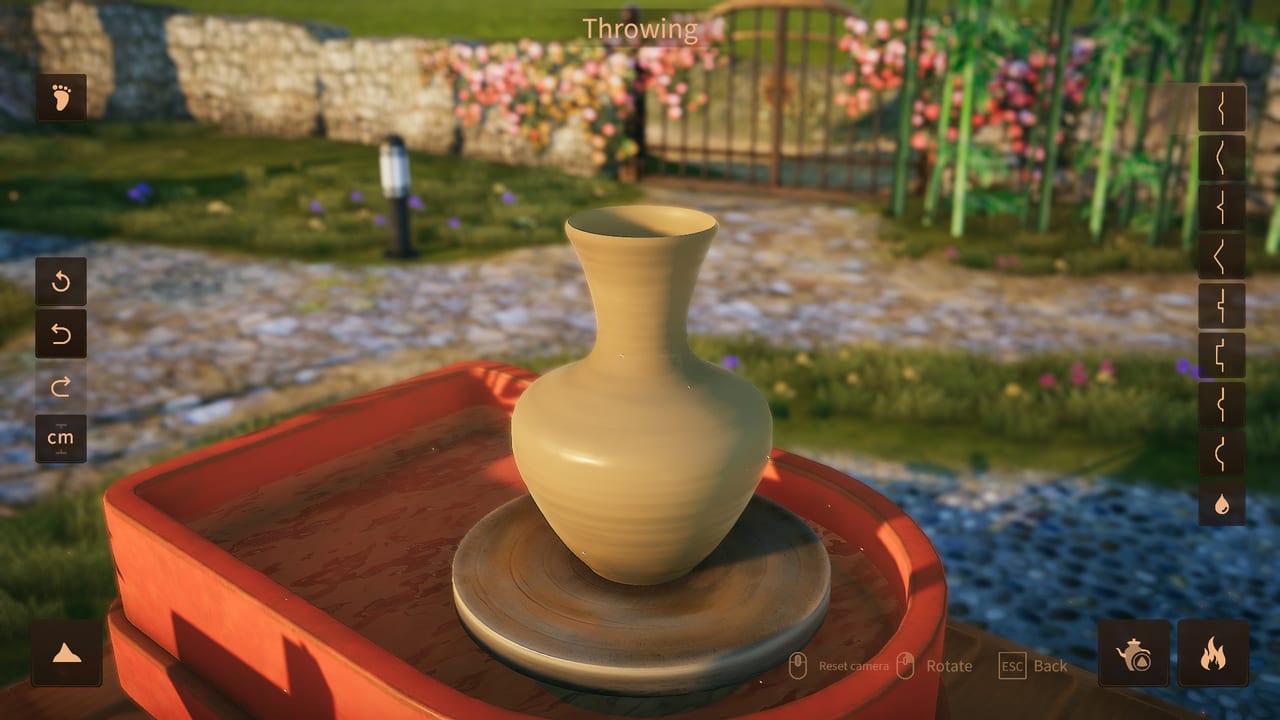
Clay is the first number the scoring pass sees, even if you never open the debug overlay. Master Of Pottery weights the body, the glaze, the colours, and the patterns together with stroke count, part count, kiln quality, and style match. Expensive late-game clay, glaze, and patterns score higher than the bags you start with. That is the whole list in one sentence. The rest of this page is how to spend without bankrupting the hall.
Ranks below are families, not invented SKUs. The in-game store labels clays, glazes, pigments, and pattern packs as they unlock. We group them by when they appear and what they cost in yen, because the game itself treats later and pricier rows as higher-value inputs.
S-tier: late clay, premium glaze, late patterns
S-tier materials are what you load when the goal is SSS rank, not when the goal is two bowls before exhibition day. Late clay bodies (the expensive coloured and fine clays that appear after you have been selling for a while) carry the highest body weight. Premium glazes that sit at the bottom of the glaze list are the same idea on the surface of the pot. Late base-game patterns and the paid packs sit here when you are matching an imperial, court, or exhibition style.
White or pale fine clay plus a costly glaze is a combination players have used for consistent SSS once the rest of the recipe is in place: many throwing strokes, many paint strokes, up to 50 parts, inside-out kiln, style match. The clay does not print SSS by itself. It raises the ceiling so the rest of the work can land.
DLC patterns belong in this conversation even though they are not clay. Qianlong, medieval, Persian, and cartoon packs are late-weighted motifs. If you already own them, treat them as S-tier surface work on an S-tier body. If you do not own them, you can still SSS on base late patterns; the packs are a boost, not a gate.
A-tier: mid-late coloured clay and quality glaze
A-tier is the first upgrade off starter stock that is worth the sticker. Coloured clays in the middle of the price ladder look better in the showroom and score better than brown starter bodies. Mid-tier glazes (not the cheapest rough coat, not the last imperial finish) are the right buy when you can fire cleanly but cannot yet empty the store.
Use A-tier for commission work and for hall pieces you actually want tourists to linger on. Pair them with extra colours from the painting and glazing bench so stroke count stays high. A-tier clay with lazy painting still grades like A-tier clay with lazy painting.
B-tier: extra pigments and mid patterns
Pigments are cheap compared with clay and glaze. That makes them B-tier for score and A-tier for practice. Buy colours early so you can paint over a piece many times; the scoring pass cares that you worked the surface, not that you left a single perfect stripe. Mid-game patterns that are not the newest pack are B for SSS and A for filling orders that ask for a matching look.
If yen is tight after an exhibition, pigments before another clay bag is the correct upgrade priority call only when you already have a decent body. Pigments on starter clay will not carry a letter grade by themselves.
C-tier: starter clay and cheap glaze
C-tier is the career engine. Starter clay is what you throw while you learn throwing, while you learn the kiln minigame, and while you are converting tickets into booths. Cheap glaze is a finish, not a flex. Use this tier for:
- First-week volume (you can only spend so much inspiration per day).
- Apprentice demos and low-stakes orders.
- Pieces you expect to sell quickly rather than archive.
Do not chase SSS on C-tier. You can luck into a high grade with extreme stroke count and a perfect firing, but the material weight is working against you. Save the stubbornness for S-tier clay.
D-tier: leftover starter stock on a finished career
Once Tea House drinks have pushed inspiration toward 150 and the store has late clay in stock, leftover starter bags are D-tier. They still have a job: cheap practice throws, kiln warm-ups, and filling a booth so the hall is not empty. They are no longer the plan for Pottery master (10 SSS works) or for the pieces you price like art.
Scoring recipe the clay has to survive
Materials are one term in a sum. After you pick a tier, still do the rest:
- Throw with many adjustments. Fidgeting on the wheel counts as work.
- Attach parts (handles, lids, spouts, bulges) up to 50. Parts are purchased as upgrades, then applied on the piece.
- Paint with many strokes and multiple colours; painting over a layer still counts.
- Apply a glaze that matches the spend tier of the clay.
- Fire from the inside out. Drying, preheating, and high temperature all exist; a miss after a premium glaze is the worst feeling in the workshop.
- Match style when the order or the hall expects one.
The score you see is the post-firing score. A beautiful leather-hard pot is not the grade.
Yen math
Inspiration starts at 100 a day, enough for about two pieces if you are not also teaching or fulfilling shop work. That cap is why C-tier volume is the early game and S-tier is a later decision. You cannot SSS ten times a week on day five even if you dump every yen into glaze. Grow the hall, then grow the body.
When an exhibition pays well, split the purse: one stack into late clay or glaze, one stack into the next store row on the upgrade priority list. Never empty the till on a single bag unless you already have booths, a clean kiln, and a plan to sit at the paint bench for a long session.
Custom images you import are not a material rank. They sit on whatever clay you chose. A photo-transfer on starter clay is still starter clay with a picture on it.
Treat this list as a buying filter, not a museum label. If a new clay row is expensive and unlocks late, put it in S or A. If it is the first bag on the shelf, leave it in C until the hall can afford to forget it.
Frequently Asked Questions
Quick answers about throwing, firing, and running your showroom.
Does white clay guarantee SSS?
No. Pale or fine clay plus expensive glaze is a strong pairing players use for SSS, but you still need stroke count, parts, inside-out firing, and style match. Clay raises the ceiling; it does not skip the kiln.
Should I glaze cheap clay with premium glaze?
You can, and the glaze weight helps, but mismatched spend is inefficient. Pair late glaze with late clay when you are hunting SSS. Use cheap glaze on C-tier volume pieces.
Do colours matter as much as clay?
Colours are cheaper and mainly add paint-stroke volume. Buy them early for the bench, then spend real yen on clay and glaze when grades stall.
Are DLC patterns required for SSS?
No. Late base patterns plus S-tier clay and glaze can SSS. Packs such as Qianlong add high-value motifs and help style match, which is why they sit in S for players who own them.
When do I leave starter clay behind?
After you can fire inside-out reliably and the hall is paying for itself. Keep a few cheap bags for practice; stop using them for pieces you expect to grade or archive.
Where should I go after picking a clay?
Throw it with real stroke count, then follow painting and glazing, then the SSS rank checklist. Buy parts from the upgrade list before you expect the body to carry a top grade.